One of the biggest questions patients have before rhinoplasty is how long it will take to see their results. The answer isn’t as simple as waiting for the splint to come off.
While the first week involves the most noticeable swelling and bruising, your nose will continue to refine for months as the tissues heal. Understanding what to expect at each stage can make the recovery process feel a lot less overwhelming.
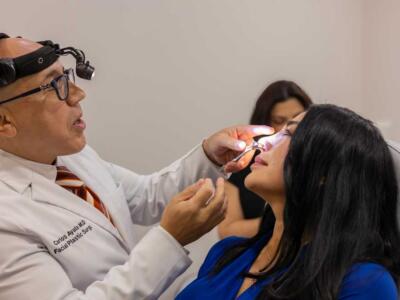
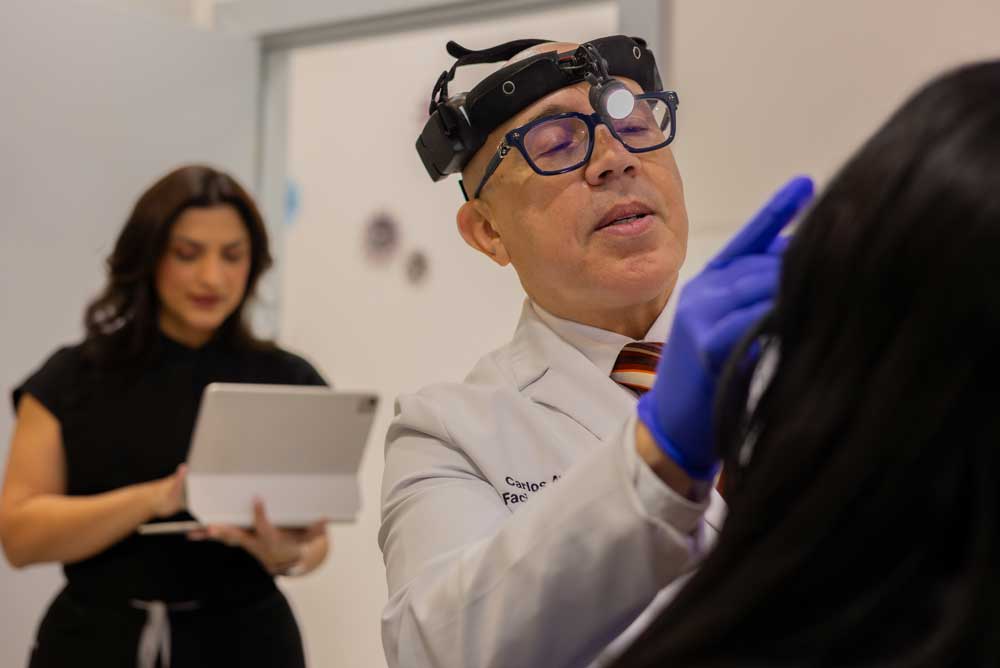
Dr. Carlos Ayala, a double board-certified otolaryngologist and facial plastic surgeon at Ayala ENT & Facial Plastic Surgery in McAllen, TX, walks patients through the recovery timeline during every consultation. His perspective is shaped by years of performing rhinoplasty on patients with a wide range of nasal anatomy and skin types across the Rio Grande Valley. Here’s what he wants you to know about each phase.
| Recovery Timeline: At a Glance | |
|---|---|
| Days 1–3 | Peak swelling, bruising, nasal congestion and fatigue. |
| Days 4–7 | Discomfort begins to ease. Nasal breathing remains restricted. External casts and any internal splints are typically removed around day 7. |
| Weeks 2–3 | Most bruising fades. Patients generally return to desk work and social activities within 10–14 days. Swelling may fluctuate throughout the day. |
| Weeks 4–6 | The nose begins to look more natural. Light exercise resumes around weeks 3 to 4, with more strenuous activity reintroduced around week 6. |
| Months 3–6 | Subtle changes continue, particularly around the nasal tip. |
| Months 12–18 | Final results are typically visible around 12 months, although extensive nasal tip work may require up to 18 months to fully develop. |
| Recovery varies with individual anatomy and surgical technique. Dr. Ayala will provide a personalized timeline based on your procedure. | |
What Is the First Week of Rhinoplasty Recovery Like?
“The first week is the most challenging,” admits Dr. Ayala. “But it also goes by the quickest. Most patients are groggy and sleep a lot the first two days because of the anesthesia.”
As the anesthesia wears off, you’ll start to notice swelling, bruising and some discomfort. Bruising is often concentrated beneath the eyes, particularly if your surgery involved reshaping the nasal bones. Discomfort peaks around the second day and is usually described as pressure rather than sharp pain. Some patients compare it to the feeling of a bad sinus infection.
Breathing through your nose will also be difficult during this early stage. You’ll leave with an external cast and, depending on your procedure, internal splints or packing. Combined with swelling and dried blood inside the nasal passages, these can leave your nose feeling almost completely blocked. Plan on breathing through your mouth for five to seven days after surgery.
“Many patients experience this wave of relief once their splints are removed,” Dr. Ayala says. “There’s still some congestion, but it gets better as the internal swelling goes down.”
Week 1 Recovery Tips
- Use a cool-mist humidifier to relieve dryness.
- Sleep with your head elevated.
- Use a backrest pillow to make sleeping on your back more comfortable.
- Apply cool compresses to your cheeks or around your eyes.
- Stay hydrated with water, electrolytes and pineapple juice.
- Use a smaller toothbrush (and smaller utensils) to avoid opening your mouth too wide.
What Can I Expect at Weeks 2 to 3?
By the end of the second week, most bruising has faded considerably, and any remaining discoloration can usually be concealed with makeup. Swelling, however, is a different story. Your nose may still look wider or rounder than you expected, and the tip may appear slightly upturned. This is normal at this stage, even if the initial swelling has started to go down.
Most patients feel comfortable returning to desk work and casual social activities after 10 to 14 days. Walking is encouraged early in recovery to promote circulation, but more strenuous activity should wait until Dr. Ayala gives you the go-ahead, typically after four to six weeks.
By the third week, you may notice something else: your swelling doesn’t necessarily look the same from one hour to the next. Dr. Ayala calls this the fluctuation phase.
“Swelling can change from morning to evening,” he explains. “You might wake up pleased with how your nose looks, only to notice a little extra puffiness by late afternoon.”
This can be particularly noticeable in the Rio Grande Valley, where warmer temperatures and time outdoors can make facial swelling more pronounced.
Weeks 2-3 Recovery Tips
- Use makeup to conceal lingering bruising.
- Continue sleeping with your head elevated.
- Take short, frequent walks to promote circulation.
- Avoid glasses resting on your nasal bridge until Dr. Ayala clears you.
- Limit heat exposure, including hot tubs, saunas and time outdoors.
- Take progress photos in consistent lighting to track swelling.
What Changes Are Expected 4 to 8 Weeks After Rhinoplasty?
By the fourth week, bruising is gone, and the initial swelling has decreased considerably. This is when your nose starts looking less “post-surgical” and more like the result Dr. Ayala planned. However, the bridge will look more defined than the tip, which is normal. The skin there is thicker and takes longer to contract around the cartilage beneath it.
You may also notice that your nose still feels different, even as it starts looking more like your final result. Temporary changes to small sensory nerves can cause numbness, tingling or brief, shock-like sensations as the tissues heal.
At this point, most patients start to ease back into their usual activities. Light exercise is typically cleared around week four, with more strenuous workouts, including running and weight training, resuming around week six. Contact sports and activities that put your nose at risk of impact generally need to wait until at least three months after surgery.
By week eight, you may find yourself thinking less about your recovery and more about your results. Your nose is starting to feel familiar again, even though subtle swelling and changes in definition can continue for several more months.
Weeks 4-8 Recovery Tips
- Ease back into exercise, increasing intensity gradually with Dr. Ayala’s approval.
- Avoid contact sports and activities that could result in a bump to your nose.
- Wear SPF 30+ sunscreen and a wide-brimmed hat to protect healing skin.
- Be mindful of heat-related swelling during outdoor activities in the Rio Grande Valley.
When Do Final Rhinoplasty Results Appear?
Six months after surgery, your nose should look natural and proportional to the rest of your face, with only minor changes still to come. Final rhinoplasty results typically appear around 12 months after surgery, although extensive tip work may need up to 18 months.
“Any changes you see after six months are subtle,” says Dr. Ayala. “It’s mostly small improvements in the shape and contour of the nasal tip.”
Dr. Ayala continues to monitor your healing throughout the first year, assessing how your results are developing and addressing any questions along the way. If you’re concerned about asymmetry or an area that hasn’t healed as expected, he will assess your nasal contours, check your breathing and discuss any expected changes during your follow-up visits.
Sun Protection & Activity Guidelines for the Rio Grande Valley
Recovering from rhinoplasty in McAllen or anywhere in the Rio Grande Valley comes with a specific challenge: heat and UV exposure that lasts most of the year.
Sun exposure after rhinoplasty is a genuine concern that Dr. Ayala discusses with every surgical patient. “Healing tissues are more sensitive to UV damage,” he explains. “When the skin is actively regenerating, it lacks its normal defenses against the sun.” Prolonged exposure can permanently darken incision lines, making sun protection especially important for patients who had open rhinoplasty, which involves an external incision along the columella.
To keep your skin protected, he recommends wearing a wide-brimmed hat, especially during early recovery. Once you’re cleared to resume your normal skincare routine, use a broad-spectrum SPF 30 or higher sunscreen anytime you’re outside, even for short errands.
South Texas heat also increases facial swelling during early recovery. Staying in air-conditioned environments, drinking plenty of water and avoiding alcohol all help your body manage inflammation more effectively. If your schedule involves significant outdoor time, Dr. Ayala’s team can help you plan the timing of your surgery around cooler months when possible.
Rhinoplasty Recovery: Myths & Misconceptions
Recovery is long and painful.
Rhinoplasty recovery typically involves manageable discomfort rather than severe pain, although experiences vary depending on the extent of surgery. Nasal congestion, pressure, bruising and disrupted sleep are common during the first week. Many patients notice improved comfort after their splints are removed.
Final results are visible once your cast comes off.
Cast removal gives you the first glimpse of your new nose, but there’s still plenty of swelling hiding the finer details. Your nose may temporarily look wider, rounder or even larger than it did before surgery, especially around the tip. As swelling subsides, its new shape gradually becomes more apparent. Most patients see substantial changes within the first six weeks, with final results typically taking 12 months or longer to fully emerge.
A nose job won’t affect the rest of your face.
Your nose isn’t the only area that may feel a little different after surgery. Bruising and swelling frequently extend throughout the orbital rim, resulting in a “raccoon mask,” and the upper lip may feel stiff or tight when you smile. Due to shared nerve pathways, you may even notice increased sensitivity or numbness in the roof of your mouth and upper front teeth. These changes are temporary and generally resolve as your recovery progresses.
When Should You Call Your Surgeon After Rhinoplasty?
Most patients recover from rhinoplasty without complications, especially when they follow their surgeon’s aftercare instructions. However, it’s important to recognize symptoms that may need medical attention.
Reach out if you experience worsening pain or swelling (particularly on one side of the nose), persistent bleeding, a fever over 101°F, or increasing redness and warmth around the surgical area. Sudden or significant changes in nasal breathing also warrant a call, especially if they’re accompanied by other symptoms.
Seek emergency medical attention for severe difficulty breathing, chest pain, sudden vision changes or heavy, uncontrolled bleeding.
Dr. Ayala and his team are available to answer questions and address concerns throughout recovery. For Dr. Ayala, caring for patients in McAllen also means caring for the people he encounters in everyday life. “You’re going to see me in church on Sunday. You’re going to see me in the supermarket. I live here, too.”
Rhinoplasty Recovery FAQs
Can I wear glasses after rhinoplasty?
You should avoid resting glasses directly on the bridge of your nose for about six weeks after surgery. Although glasses are relatively light, the consistent weight can still affect the nasal bones and cartilage. We recommend switching to contact lenses, but if you prefer glasses, our team can show you taping techniques to keep weight off your nose while it heals.
How should I sleep after nose surgery?
Sleep on your back with your head elevated for at least the first two weeks to help reduce swelling. A wedge pillow can make this position more comfortable. Avoid sleeping on your side or stomach, as pressure on the nose can shift healing structures.
When can I wear makeup after rhinoplasty?
Most patients can begin using makeup to conceal lingering bruising around the second week. Avoid applying cosmetics directly to healing incisions or irritated skin, and be gentle when removing makeup around the nose.
How do I blow my nose after rhinoplasty?
You don’t, at least not for a couple of weeks. Avoid blowing your nose until cleared by Dr. Ayala. The pressure can irritate healing tissues and potentially trigger bleeding. If you’re congested, use only the saline sprays or other nasal care methods recommended by our team.
What happens if I sneeze after rhinoplasty?
Sneezing is generally unavoidable and isn’t automatically a cause for concern. Try to sneeze with your mouth open to reduce pressure inside your nose, and avoid pinching your nostrils shut. Contact Dr. Ayala if a sneeze causes persistent bleeding or significant pain.
Let’s Talk About Your New Nose
No two rhinoplasty procedures are exactly alike. The changes needed to achieve your goals, your nasal anatomy and your skin characteristics will all influence how you heal.
During your consultation at Ayala ENT & Facial Plastic Surgery in McAllen, TX, Dr. Carlos Ayala will evaluate your anatomy, explain your surgical options and give you a realistic picture of what to expect during your recovery.
With training from UCLA, Harvard and the Lasky Clinic in Beverly Hills, Dr. Ayala brings specialized expertise, military precision and bilingual care to the Rio Grande Valley. As the area’s first and only double board-certified otolaryngologist and facial plastic surgeon, he combines an understanding of nasal function with a careful eye for facial proportion.