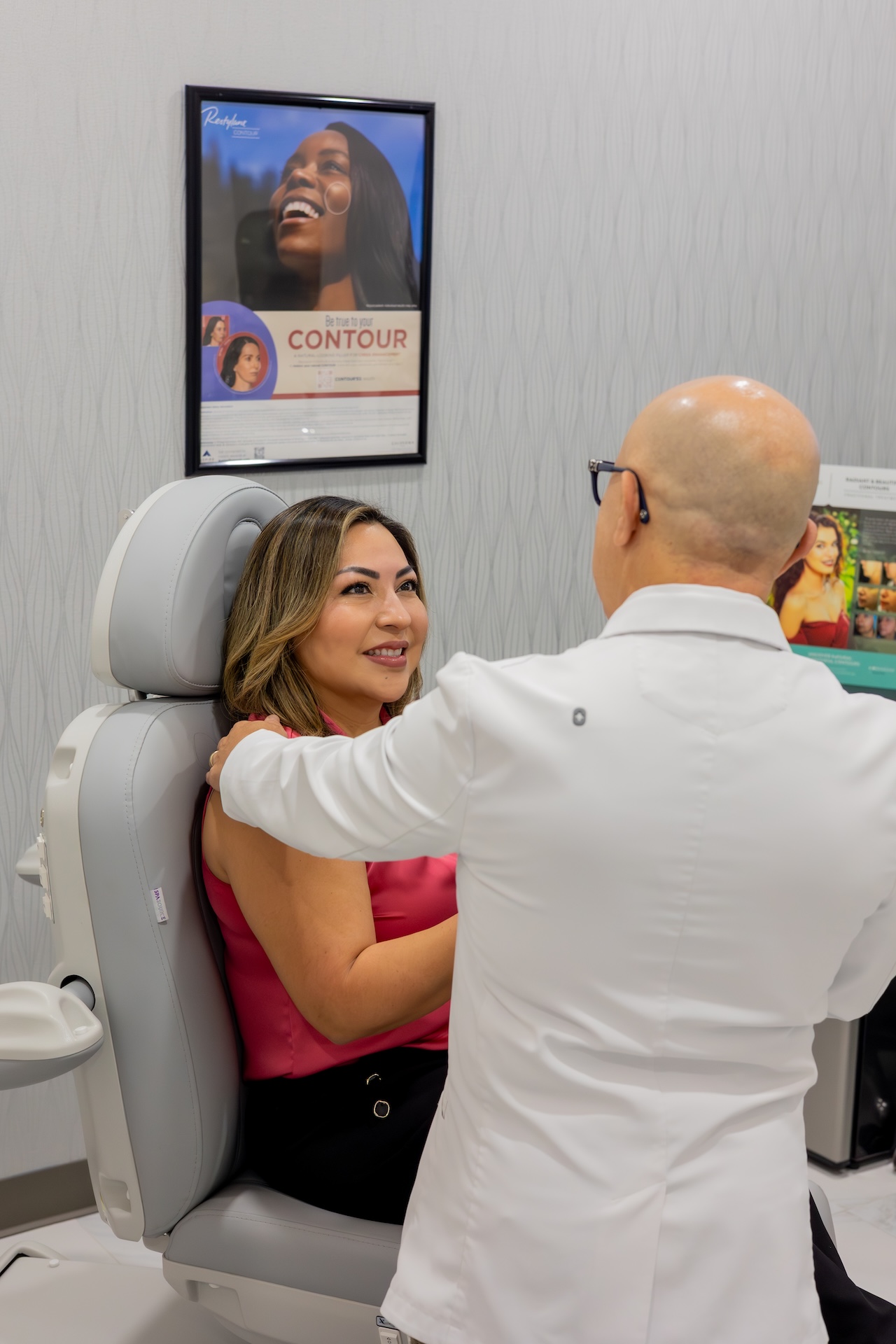
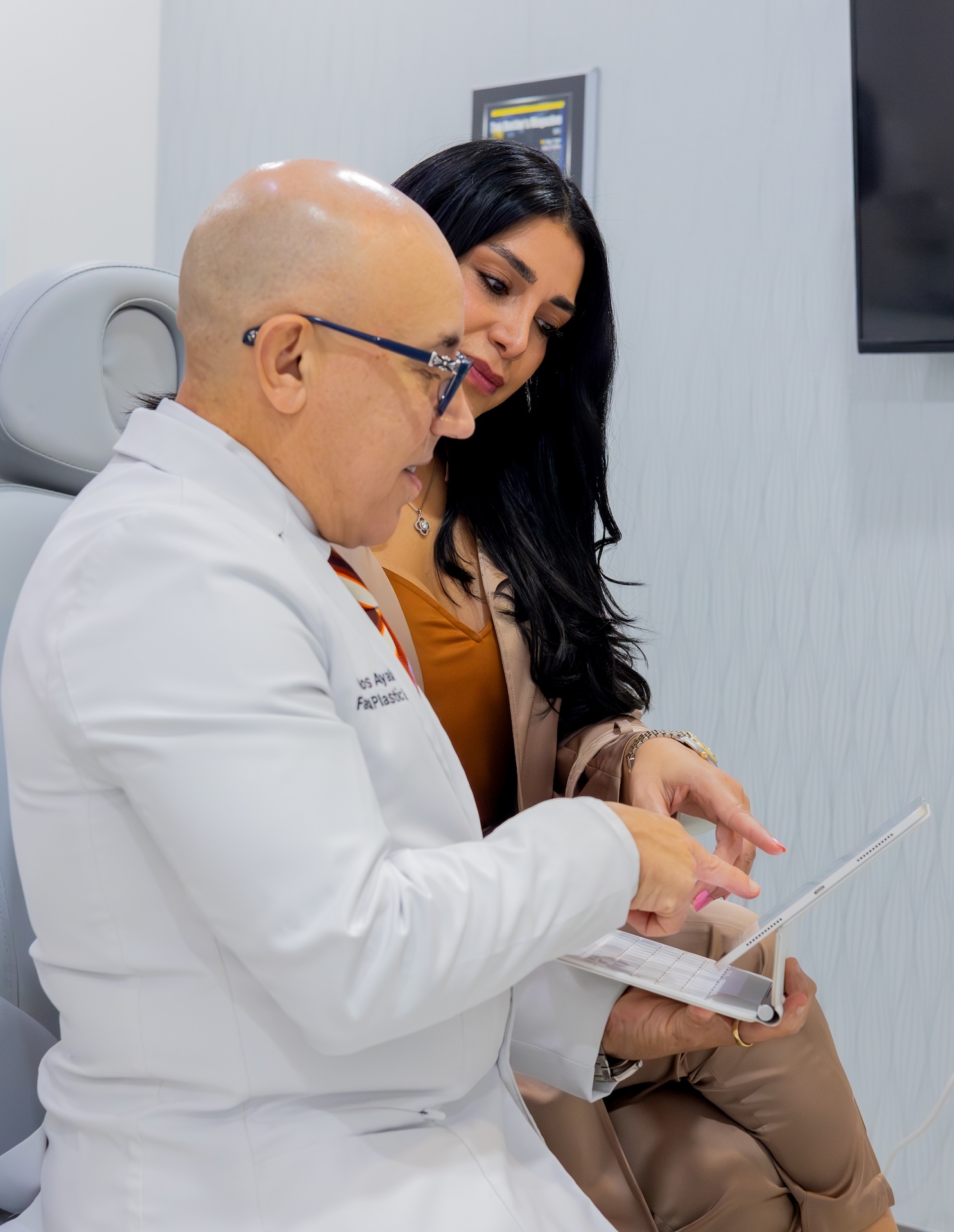
Dr. Carlos Ayala, Mole Removal Expert

Mole Removal in McAllen, TX

Dr. Carlos Ayala is a double board-certified otolaryngologist and facial plastic surgeon at Ayala ENT & Facial Plastic Surgery in McAllen, Texas. He treats every patient personally, from the first consultation through the final follow-up, with a focus on protecting the appearance of the skin.

Moles are clusters of pigmented cells that almost everyone develops at some point. Most are harmless, but some become cosmetically bothersome or change in ways that raise medical concern. At Ayala ENT & Facial Plastic Surgery, Dr. Ayala performs both cosmetic and medically indicated mole removal for patients across the Rio Grande Valley.

Procedure At a Glance

Mole Removal

Procedure

In-office

Return to Work

Same day to a few days

Anesthesia

Local

Final Results

4 to 6 weeks

Techniques

Shave excision, surgical excision

Cost

Determined at consultation

Procedure Time

15 to 60 minutes

Financing

Prosper, CareCredit, In-office Layaway Plan

Overview

What Is Mole Removal?

Mole removal is the process of taking a pigmented skin lesion off the body, either for cosmetic reasons or because a dermatologist has flagged it for medical evaluation. At Ayala ENT & Facial Plastic Surgery, Dr. Ayala performs mole removal in the office under local anesthesia, with attention to how the skin will look once it heals. Cases that require coordination with dermatology, including suspicious or biopsy-confirmed lesions, are handled with the same level of direct, physician-led care.
Two Paths

Cosmetic vs. Medical Mole Removal

Cosmetic Removal

There are two main reasons patients pursue mole removal. The first is cosmetic and comfort-based. A mole may sit in a location that catches on clothing or draws unwanted attention, or it may simply bother the patient. These benign lesions can be removed in a single office visit.

Medical Removal

The second reason is medical. If a mole has changed shape, color or size, it may need to be biopsied. Patients are often first evaluated by their dermatologist, and if the lesion is suspicious or confirmed malignant through pathology, they are referred to us for surgical excision. In these cases, the emphasis is on clean margins for complete removal, along with a focus on appearance.

Candidacy

Who Is a Good Candidate for Mole Removal?

Dr. Ayala examines each lesion in person and confirms whether in-office removal is appropriate.

Patients with a personal or family history of skin cancer should mention this at the consultation, as it may change the approach to removal and pathology testing.

Good Candidates Typically Have

  • Adults in good general health with no active skin infection at the treatment site
  • Non-smokers, or patients willing to stop nicotine use before and after treatment, to support healing
  • Patients not currently on blood thinners, or able to pause them under physician guidance
  • No history of keloid or hypertrophic scarring in the area being treated
  • Realistic expectations about scarring

Techniques

Mole Removal Techniques at Ayala ENT & Facial Plastic Surgery

Shave Excision

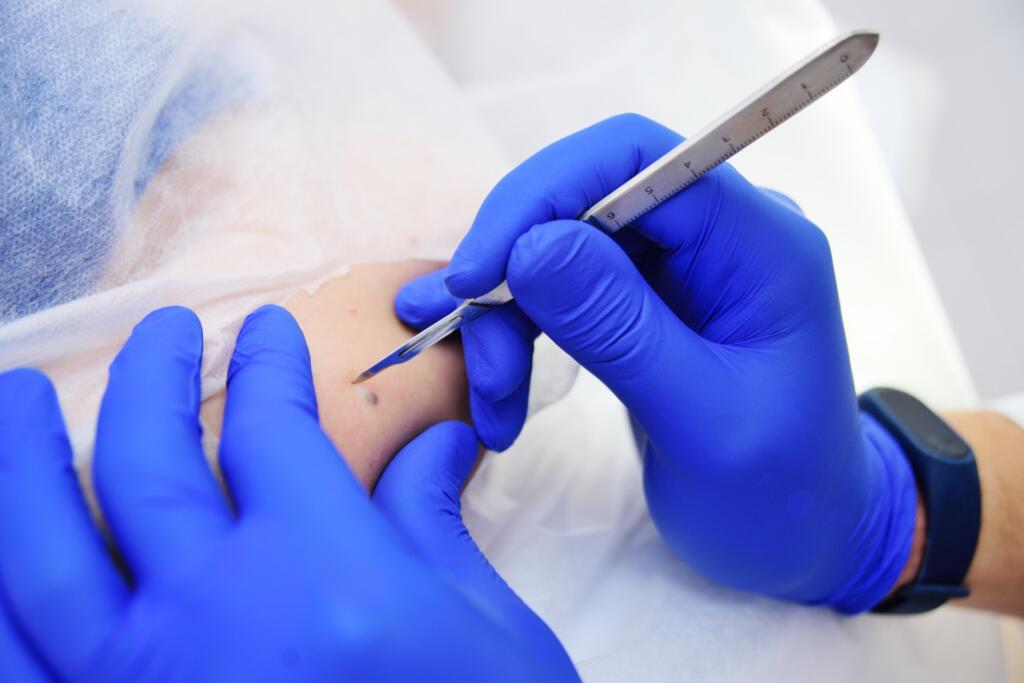
Shave excision is used for raised, benign moles. After the area is numbed, Dr. Ayala removes the mole flush with the surrounding skin using a fine surgical blade. The treated area heals as a small flat mark that fades over the following weeks. This technique works well for cosmetic removals where depth is limited.

Surgical Excision

Surgical excision is chosen for deeper moles, larger lesions, or cases where pathology is required. Dr. Ayala removes the full thickness of the mole along with a small border of surrounding skin, then closes the skin with fine sutures. The tissue is sent for pathology when needed. This type of surgery allows for clean margins and is used when there are concerns about malignancy.

The Procedure

What Happens During Mole Removal?

Mole removal is performed in the office in a visit that usually only takes 15 to 60 minutes. The time spent will depend on the extent of the excision and how many moles are being treated. When you arrive, Dr. Ayala will review the lesion and confirm the surgical plan with you. He will clean the area and numb it with local anesthesia before performing either a shave or a surgical excision. If the mole is being sent for pathology, the tissue is labeled and submitted, and then the site is dressed. You will receive aftercare instructions and leave the office the same day.

What Is Mole Removal Recovery Like? 

  • Days 1 to 3: The treated area may feel tender. Keep the site clean and covered as directed.
  • Week 1: Shave excision sites begin to scab and heal. Non-dissolvable sutures from surgical excision are typically removed at the end of this week.
  • Weeks 2 to 4: Redness fades, and the scar begins to flatten and lighten.
  • 4 to 6 weeks: The final appearance of the treated area is visible. Scar refinement continues for several months.

Dr. Ayala personally reviews the treated site at follow-up to confirm the area is healing as expected. If pathology was submitted, results are discussed, and next steps are planned with the patient directly.

Your Surgeon

Why Dr. Ayala for Mole Removal

Because both the appearance and completeness of mole removal are important, having a facial plastic surgeon perform the procedure is important for results. Dr. Carlos Ayala trained at UCLA School of Medicine, completed his otolaryngology residency at Harvard Medical School, and finished a facial plastic surgery fellowship in Beverly Hills. He is the first double board-certified otolaryngologist and facial plastic surgeon in the Rio Grande Valley.

At Ayala ENT & Facial Plastic Surgery, patients are seen exclusively by Dr. Ayala, not by physician assistants or nurse practitioners. Every consultation, mole removal and follow-up is handled by him directly.

Follow Us

See Why Patients Trust Ayala

BEGIN YOUR JOURNEY

Book Your Consultation

If you have a mole you want evaluated or removed, Dr. Carlos Ayala will examine it personally and recommend the right approach. Contact Ayala ENT & Facial Plastic Surgery in McAllen, Texas, today at 956-631-4515 to schedule a consultation.

Give us a call

FACIAL PLASTIC SURGERY (956) 688-3223
Name(Required)
Name(Required)
Opt-in

Frequently Asked Questions

Will mole removal leave a scar?

Scarring is possible after mole removal, but the size and visibility depend on the method and the surgeon. Dr. Ayala uses techniques that prioritize scar minimization, and scars fade with time. 

Is mole removal painful?

The area is numbed with local anesthesia before any work begins. Patients usually feel pressure during the removal but not pain. Minor tenderness in the days afterward is normal and resolves quickly.

Can mole removal be combined with another procedure?

Mole removal can be performed alongside other surgeries when it fits the patient’s overall plan. Combining the two means a single recovery period and one coordinated visit, which is often easier than scheduling them separately.

How much does mole removal cost?

Cost depends on the number of moles, the technique required, and whether pathology testing is needed. A clear quote is provided at the consultation. Financing is available through Prosper® CareCredit®.

Request Your Consultation

Name(Required)
Name(Required)
Opt-in
This site is registered on wpml.org as a development site. Switch to a production site key to remove this banner.