
Eyelid Surgery in McAllen, TX
Upper & Lower Blepharoplasty in the Rio Grande Valley
Dr. Carlos Ayala is a double board-certified otolaryngologist and facial plastic surgeon serving patients throughout the Rio Grande Valley and across the South Texas region. He performs eyelid surgery for patients in McAllen, Edinburg, Brownsville, Corpus Christi and beyond.
Your eyes do more than help you see. They can brighten your smile or sharpen a glance, helping people read your mood in an instant. But when heavy lids, excess skin or under-eye bags get in the way, the eyes can make you look older or more tired than you feel. Blepharoplasty is a surgical procedure that addresses visible changes in the upper and lower eyelids, restoring a more open, refreshed appearance that still looks like you.
At Ayala ENT & Facial Plastic Surgery, double board-certified facial plastic surgeon Dr. Carlos Ayala performs eyelid surgery for patients across South Texas and the Rio Grande Valley. His approach combines precision with an eye for natural facial balance, helping patients achieve a rejuvenated appearance without looking overdone.
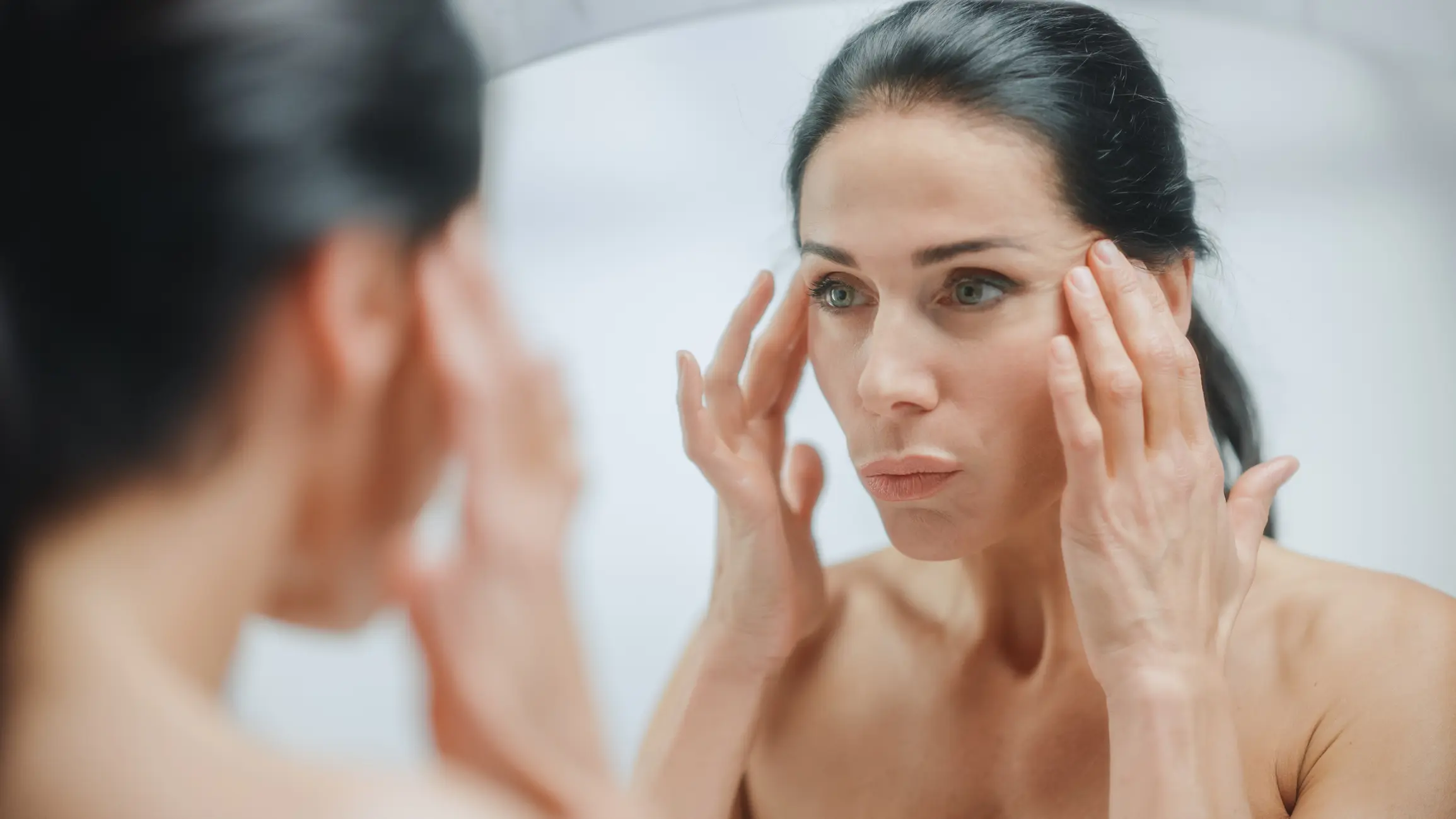
Blepharoplasty: At a Glance
| Procedure | Surgical | Return to work | 1 to 2 weeks |
| Anesthesia | General or local with sedation | Final results | 4 to 6 weeks |
| Techniques | Upper, lower or combined | Cost | Upper: $5,000
Lower: $5,000 |
| Surgery time | 1 to 2 hours | Financing | Prosper, CareCredit, In-office Layaway Plan |
What is Eyelid Surgery?
Eyelid surgery, also known as blepharoplasty or an eye lift, is a surgical procedure that removes and tightens excess skin, muscle and fat in the upper or lower eyelids to address the signs of aging. Loose skin that drapes over the lashes can give the eyes a heavy, hooded or tired appearance, while shifting fat pads can lead to bags or puffiness in the lower eyelids. Blepharoplasty targets these changes at the structural level to instantly restore a more vibrant, refreshed appearance.
Eyelid Surgery Case 1

Eyelid Surgery Case 2

What Can Eyelid Surgery Address?
Upper and lower blepharoplasty each target distinct concerns, and in some cases, Dr. Ayala recommends both approaches for a more cohesive result.
Upper eyelid surgery is typically performed if you have excess skin that weighs down the upper lids, partially obscures the natural eyelid crease or creates a hooded appearance. In more pronounced cases, the drooping can limit peripheral vision, which may make the procedure partially functional rather than purely cosmetic.
Lower eyelid surgery addresses fullness and puffiness beneath the eye, including under-eye bags caused by shifting fat pads, and loose skin that creates a soft or drawn look in the lower lid area. Unlike topical eye creams or fillers, which can improve the appearance of the area temporarily, surgery corrects the underlying anatomy that drives these changes.
Who Is a Good Candidate for Eyelid Surgery?
Most men and women concerned about visible changes in the upper or lower eyelids are good candidates for blepharoplasty. If you’re considering eyelid surgery, you should be in good overall health, a nonsmoker (or willing to quit before surgery) and have realistic expectations.
This procedure may be right for you if you want to address:
- Excess upper eyelid skin that folds, droops or creates a hooded appearance
- Puffiness or fullness beneath the lower lash line
- Loose or crepey skin around the upper or lower eyelids
- Upper lid heaviness that affects makeup application
- Under-eye bags or shadows that make you look tired, even when you’re well-rested
- Sagging upper eyelids that obstruct your vision
There is no universal age requirement for this procedure. Some patients are in their late 30s, while others are in their 60s or 70s. During your consultation, Dr. Ayala will determine candidacy by evaluating your eyelids, brow position, skin elasticity and other factors. He will also review your health history and goals. Dry eye and any unmanaged medical conditions may need to be discussed before surgery to ensure eyelid surgery is a safe and appropriate choice.
What Happens During Blepharoplasty?
At Ayala ENT & Facial Plastic Surgery, blepharoplasty is performed at an accredited surgical facility using general or local anesthesia to keep you comfortable. The procedure typically takes one to two hours to complete, depending on whether you’re having upper eyelid surgery, lower eyelid surgery or both.
Upper Eyelid Surgery
For the upper lids, Dr. Ayala places the incision within the natural crease above the eye, called the supratarsal fold. This location heals well and hides visible scarring once fully recovered. Through this incision, he removes the excess skin and, where appropriate, addresses the underlying fat and muscle to produce more youthful, defined contours. He closes the incisions using fine sutures, which are removed after one week.
Lower Eyelid Surgery
For the lower lids, the approach depends on the anatomy involved. When excess skin is the primary concern, Dr. Ayala makes an incision just below the lower lash line to remove or tighten the tissue. When puffiness from fat displacement is the main concern, a transconjunctival approach may be used instead. In this technique, the incision is placed inside the lower lid, leaving no external scar. The fat is then repositioned to smooth the under-eye contour.
Combined Upper & Lower Eyelid Surgery
Some patients benefit from addressing the upper and lower lids in a single surgical session. Dr. Ayala will discuss which approach makes sense based on your anatomy and the degree of change you want to achieve. In some cases, combining blepharoplasty with a facelift or brow lift produces a more balanced result for patients with signs of aging that extend beyond the eyes.
What Is Eyelid Surgery Recovery Like?
Recovery from blepharoplasty is manageable for most patients, though the first few days require rest and limited activity. Plan to have someone stay with you during the first 48 to 72 hours, particularly if you’ve had work done on the upper lids, as your vision will be temporarily affected by swelling. A general recovery timeline looks like this:
- Days 1 to 3: Swelling and bruising are at their peak. Cold compresses help keep swelling down. Most patients spend this period resting at home with their head elevated.
- Days 4 to 7: Sutures are typically removed at the end of this window. Bruising begins to shift and fade. Many patients feel well enough to move around the house but are not yet ready for work or public outings.
- Weeks 1 to 2: Most patients return to desk work and light daily activities. Most patients are cleared to resume wearing makeup and contact lenses at this time.
- Weeks 2 to 4: Bruising has largely resolved. Residual swelling continues to settle. Most patients feel comfortable going out and resuming social activities.
- 4 to 6 weeks: The eyelids look and feel close to their final result. Minor residual swelling may persist, particularly in the morning, but the overall change is visible.
Dr. Ayala sees all blepharoplasty patients at scheduled follow-up appointments after surgery. Every follow-up is included at no additional cost, because a good outcome depends as much on what happens during recovery as what happens in the operating room.
Why Patients Choose Dr. Ayala for Eyelid Surgery
Dr. Ayala is a double board-certified otolaryngologist and facial plastic surgeon with advanced training from some of the world’s most respected institutions: UCLA School of Medicine, where he graduated with honors; Harvard Medical School, where he completed his otolaryngology residency; and the Lasky Clinic in Beverly Hills, where he deepened his expertise with a fellowship in facial plastic and reconstructive surgery under Dr. Andrew Frankel.
That depth of training is especially important in eyelid surgery, where a difference of just a few millimeters can affect symmetry and expression. Dr. Ayala’s background in both otolaryngology and facial plastic surgery gives him a detailed understanding of periorbital anatomy, while his experience performing complex facial reconstruction as a military surgeon at Bagram Airfield in Afghanistan helped shape the precision and judgment he brings to every cosmetic procedure.
His goal is not to change the way you look, but to create a balanced, natural-looking outcome that fits your face. Fluent in English and Spanish, Dr. Ayala provides specialized ENT and facial plastic surgery care in McAllen, Texas, for patients throughout the Rio Grande Valley who want the expertise of a fellowship-trained surgeon without traveling to Houston or San Antonio.
Book Your Consultation
If you’re considering eyelid surgery in the Rio Grande Valley, take the next step by scheduling a consultation with Dr. Carlos Ayala in McAllen, Texas. Call our office at 956-631-4515 or complete our online contact form to book today. We look forward to welcoming you to Ayala ENT & Facial Plastic Surgery and helping you explore your options with confidence.
Frequently Asked Questions
How do I know if I need eyelid surgery or a brow lift?
Will upper eyelid surgery change my eye shape?
Can eyelid surgery improve my vision?
Does lower eyelid surgery help dark circles?
Is blepharoplasty permanent?
Can blepharoplasty be combined with other procedures?
What are the risks of eyelid surgery?
- Bruising or swelling
- Infection
- Bleeding
- Scarring
- Asymmetry
- Dry eye or temporary changes in tear production
- Reoperation