REQUEST APPOINTMENT

"*" indicates required fields

Ear Surgery in McAllen, TX

Otoplasty in the Rio Grande Valley

Dr. Carlos Ayala is double board certified in otolaryngology and facial plastic surgery and offers ear surgery, known as otoplasty, for men and women in all of Texas including McAllen, Mission, Austin, San Antonio, Houston, Corpus Christi, the Rio Grande Valley and South Padre Island.

The shape, size and position of the ears affect facial harmony much more than most people realize. For patients across the Rio Grande Valley and South Texas who want a more balanced, natural-looking aesthetic, Dr. Carlos Ayala at Ayala ENT & Facial Plastic Surgery in McAllen offers otoplasty performed with expert precision.

Otoplasty: At a Glance

Procedure Surgical Return to work  1 to 2 weeks
Anesthesia Local Final results 3 to 6 months
Techniques Suture, cartilage scoring, cartilage-sparing, combined Cost ___
Surgery time 1 to 2 hours Financing  Prosper®, CareCredit®, In-Office Layaway Plan

What Is Otoplasty?

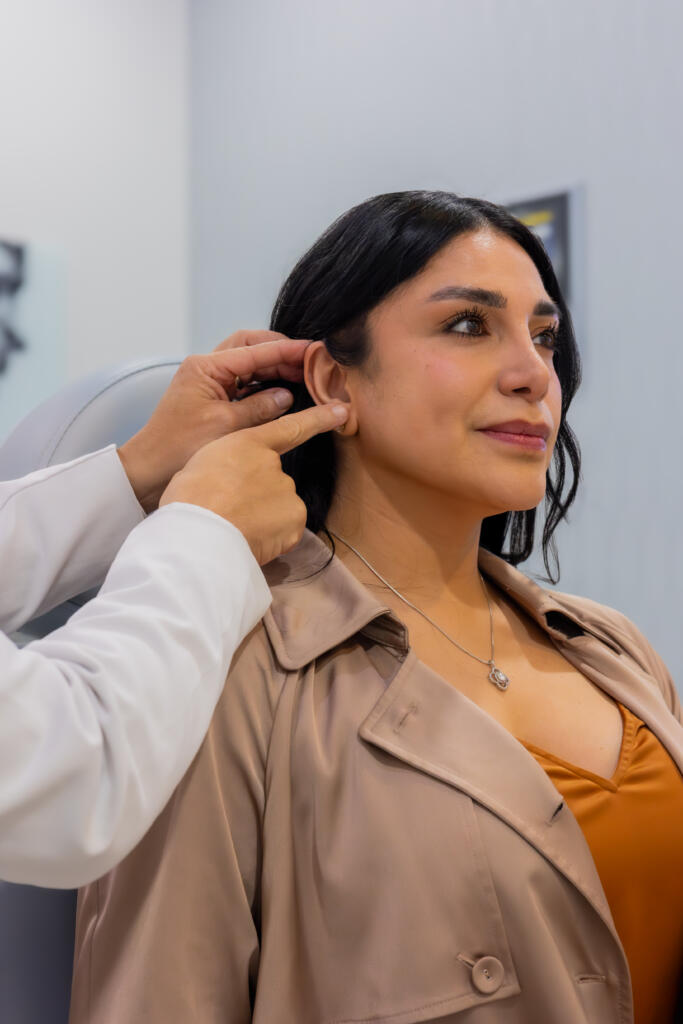
Otoplasty is a surgical procedure that reshapes, repositions or resizes the outer ear (called the auricle or pinna) to improve its appearance and bring it into better proportion with the face. This procedure is not intended to address any hearing impairments. Rather, otoplasty balances the ears with the rest of your facial features.

Prominent ears are among the most common congenital issues affecting facial aesthetics. The condition is often inherited and typically results from underdevelopment or excess of cartilage in certain areas of the outer ear. Among patients who have undergone otoplasty, more than 90% rate it as worth it, making it one of the most consistently successful procedures in facial plastic surgery.
What Does Otoplasty Address?

Beyond size alone, the shape and symmetry of the ears can also affect how they frame the face. Otoplasty offers patients the opportunity to improve facial harmony from all angles, with long-lasting results. 

Dr. Ayala performs otoplasty to address concerns such as:

  • Ears that protrude or stand out noticeably from the head
  • Asymmetry between the two ears
  • Ears that appear overly large relative to the face
  • Irregular or misshapen cartilage in the outer ear
  • Stretched or torn earlobes from piercings, injury or heavy earrings
  • Congenital differences in ear shape or structure

The specific concern, your age and the underlying cartilage structure all influence how Dr. Ayala plans and performs the surgery.

Who Is a Good Candidate for Otoplasty?

Otoplasty can be performed on children as young as five or six years old, as long as the ear cartilage has reached a stable enough state for surgery. Many parents opt for otoplasty during this earlier window to ensure their children have a smooth and rewarding experience throughout their years in school and other social settings. 

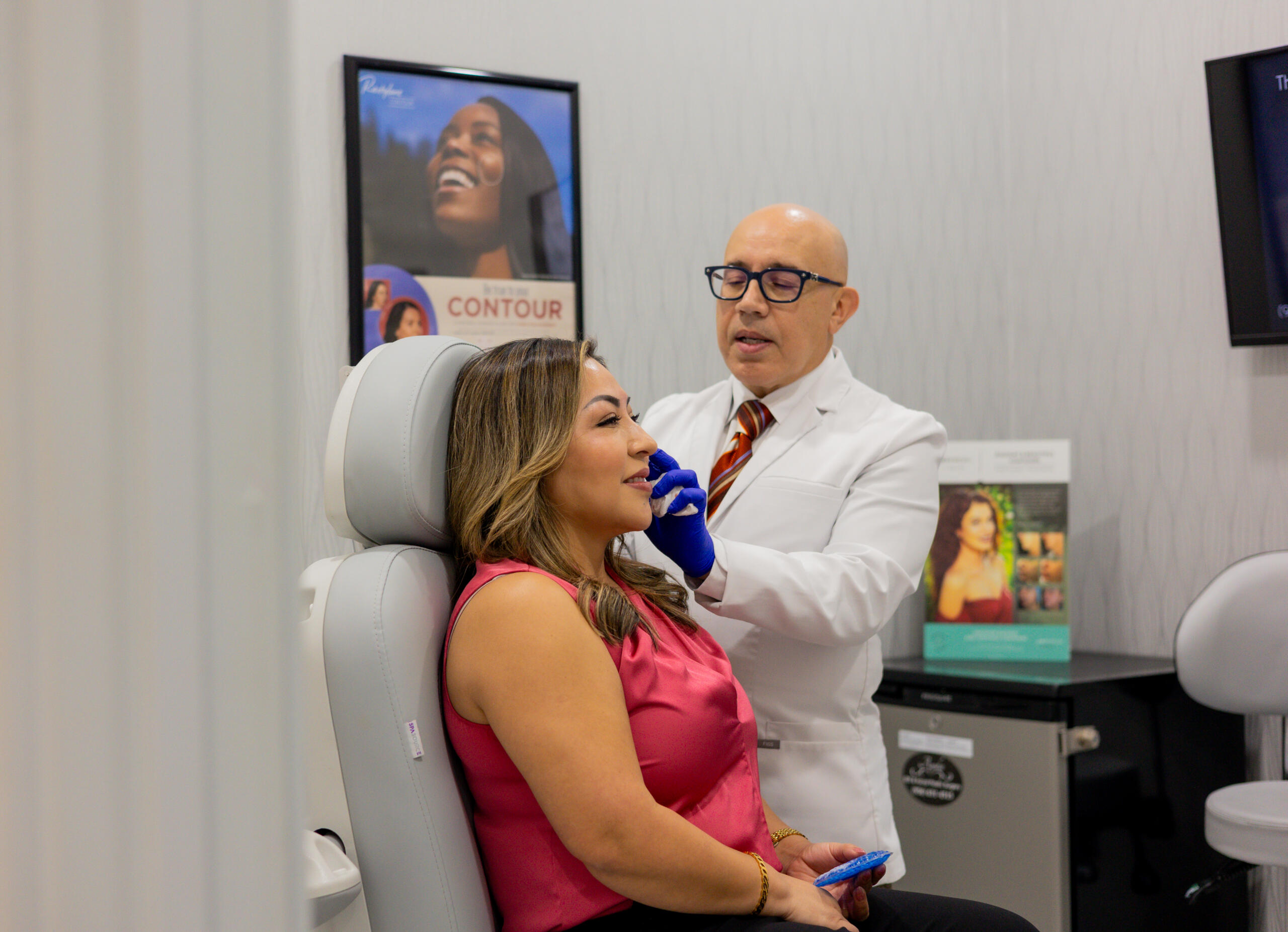
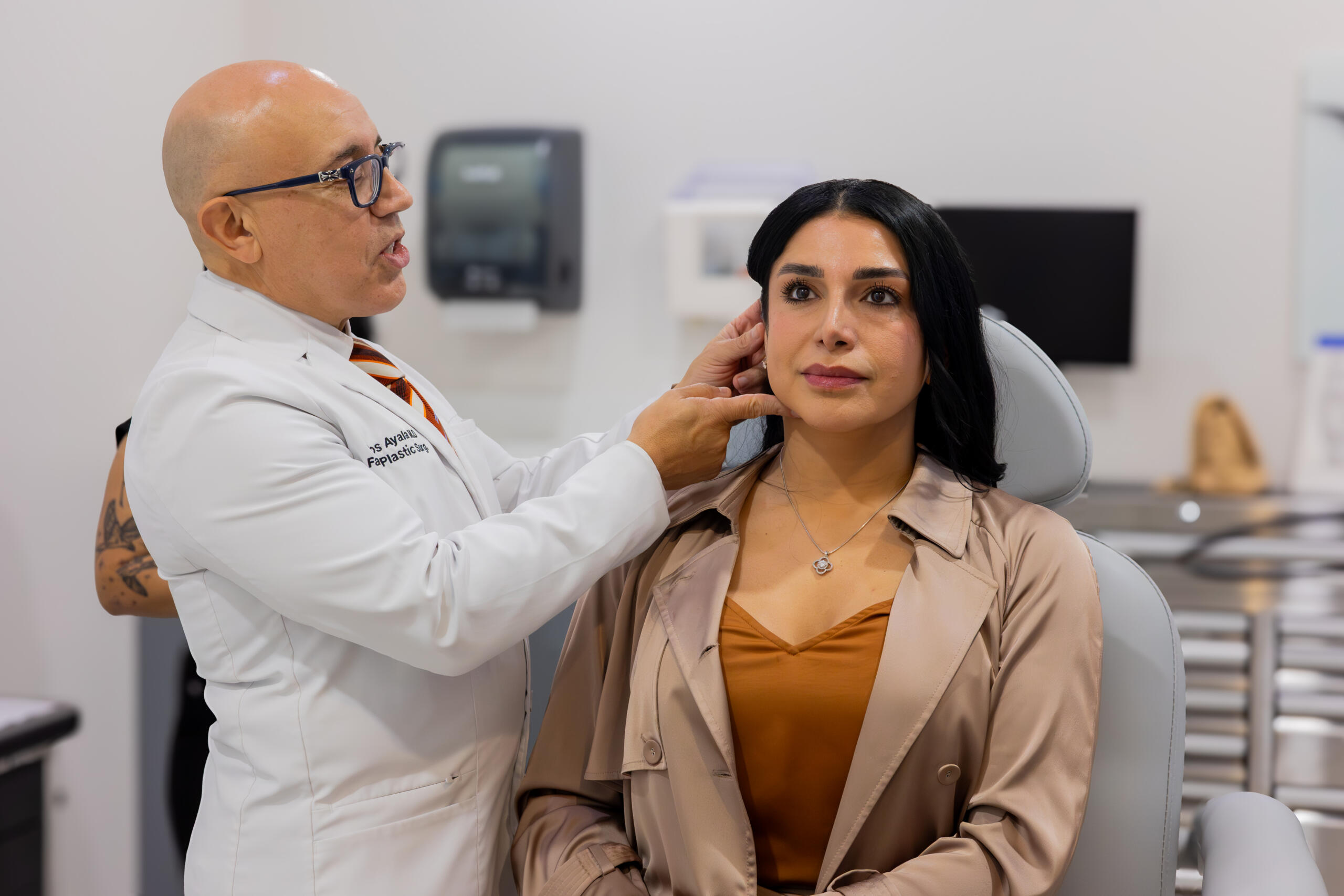
Good candidates for otoplasty are patients in good general health who want to improve the shape or position of one or both ears and have reasonable expectations about the results surgery can provide. As with any cosmetic procedure, Dr. Ayala will ensure you clearly understand what is achievable well before the surgery. He uses the Vectra H1 Imaging System during consultations to create three-dimensional images that show patients what their ears may look like after surgery.

Otoplasty Techniques at Ayala ENT & Facial Plastic Surgery

Otoplasty is a broader term that encompasses many different surgical techniques aimed at correcting prominent ears. Generally, these techniques are classified as either cartilage-cutting or cartilage-sparing. Thanks to his extensive training in otolaryngology and facial plastic surgery, Dr. Ayala is familiar with the full range of techniques, allowing him to select the most appropriate approach for each patient’s circumstances. 

Cartilage and Soft Tissue Removal

When excess cartilage or soft tissue makes the ears disproportionately large or prominent, Dr. Ayala will remove a precise amount of cartilage. This approach is used when the underlying structure itself is a concern, regardless of positioning. How much is removed, and from where, depends on individualized circumstances like anatomy. 

Cartilage Grafting

Some patients are looking to build up rather than tone down the ear’s structure. When a portion of the ear is underdeveloped, Dr. Ayala may use cartilage grafts to rebuild or augment the area. Grafts are typically harvested from cartilage already present in the ear and are shaped and placed to restore a natural, proportionate appearance.

Ear Pinning With Sutures

For ears that protrude outward from the head, ear pinning is often the chosen approach. Dr. Ayala places permanent sutures through the cartilage to reshape the antihelix (the curved ridge of cartilage lining the outer ear) and draw the ear back toward the head, creating a more natural position and angle. Sutures are placed internally and the incision is hidden in the crease behind the ear.

In many cases, Dr. Ayala will combine these methods within a single session. For example, a patient may need cartilage reduction in one area and suture repositioning in another.

Ear Surgery Case 1

Ear Surgery Case 2

What Happens During Otoplasty Surgery?

Otoplasty at Ayala ENT & Facial Plastic Surgery is an outpatient procedure performed with local anesthesia, meaning patients return home the same day. Surgery typically takes one to two hours.

Once anesthesia is in place, Dr. Ayala makes a small incision behind the ear in the natural fold where the ear meets the head. From there, he accesses the cartilage and soft tissue. Depending on each patient’s needs, he will reshape, reposition or remove cartilage, place permanent sutures to hold the new shape or some combination of these steps. 

When the structural work is complete, the incision is closed with sutures and soft dressings are applied around the ears to protect the area and hold its new position during the initial healing phase.

What Is Otoplasty Recovery Like?

Recovery from otoplasty is generally well-tolerated, and most patients are surprised by how manageable the process is. The most important thing during recovery is protecting the ears from pressure or trauma while the cartilage heals in its new position.

Days 1 to 7: The ears are wrapped in a soft bandage or headband immediately after surgery to protect the shape and minimize swelling. Some tenderness, mild swelling and bruising around the ears are expected and normal during this window. Rest is recommended, and sleeping on your back is important during this phase.

Weeks 1 to 2: Bandages are typically removed within the first week at a follow-up appointment. Dr. Ayala may recommend wearing a soft headband at night for several weeks to protect the ears while sleeping. Most patients feel comfortable returning to desk work and light daily activities by the end of week two.

Weeks 3 to 6: Swelling continues to subside, and the new ear position becomes more apparent. Vigorous physical activity, contact sports and anything that could put pressure on or bend the ears should still be avoided.

Months 2 to 3: Most swelling has resolved and the results are clearly visible. Most patients at this stage feel comfortable and confident in how their ears look.

3 to 6 months: Final results are visible. The ears have settled fully into their new position and the outcome is stable.

Children often recover faster than adults. Regardless of age, patients should avoid situations that could impact or place pressure on the ears, particularly during the first six weeks.

Why Choose Dr. Ayala for an Otoplasty?

Otoplasty may look straightforward on paper, but the details carry the result. The difference between ears that look natural and ears that look operated on comes down to the surgeon’s anatomical knowledge, their aesthetic judgment and how they plan the procedure from the start. Dr. Ayala’s background makes him one of the most specifically qualified surgeons in South Texas for this procedure.

After graduating with honors from UCLA School of Medicine, Dr. Ayala completed his residency in otolaryngology at Harvard Medical School’s program at Massachusetts Eye and Ear, then went on to fellowship training in facial plastic and reconstructive surgery at the prestigious Lasky Clinic in Beverly Hills. He is the first double board-certified otolaryngologist and facial plastic surgeon in the Rio Grande Valley.

Dr. Ayala’s expertise covers the full anatomy of the ear. He understands how the ear is constructed, how the cartilage behaves and how it heals, knowledge that most general plastic surgeons don’t bring to an otoplasty consultation. When he served as a facial plastic surgeon at Bagram Airfield in Afghanistan, he performed complex ear and facial reconstructions on soldiers and civilians with severe trauma. That reconstructive experience, applied now in a cosmetic context, is reflected in the precision of his work.

“People shouldn’t have to drive or fly somewhere else to get good care,” Dr. Ayala has said. “They should be able to receive it right here.”

Schedule Your Otoplasty Consultation 

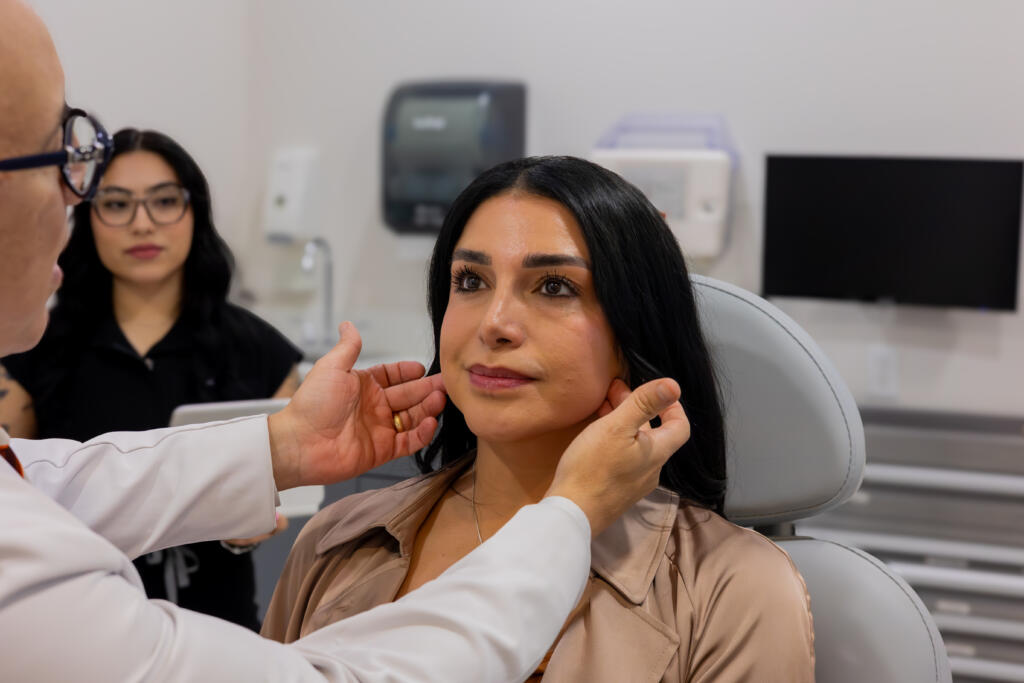
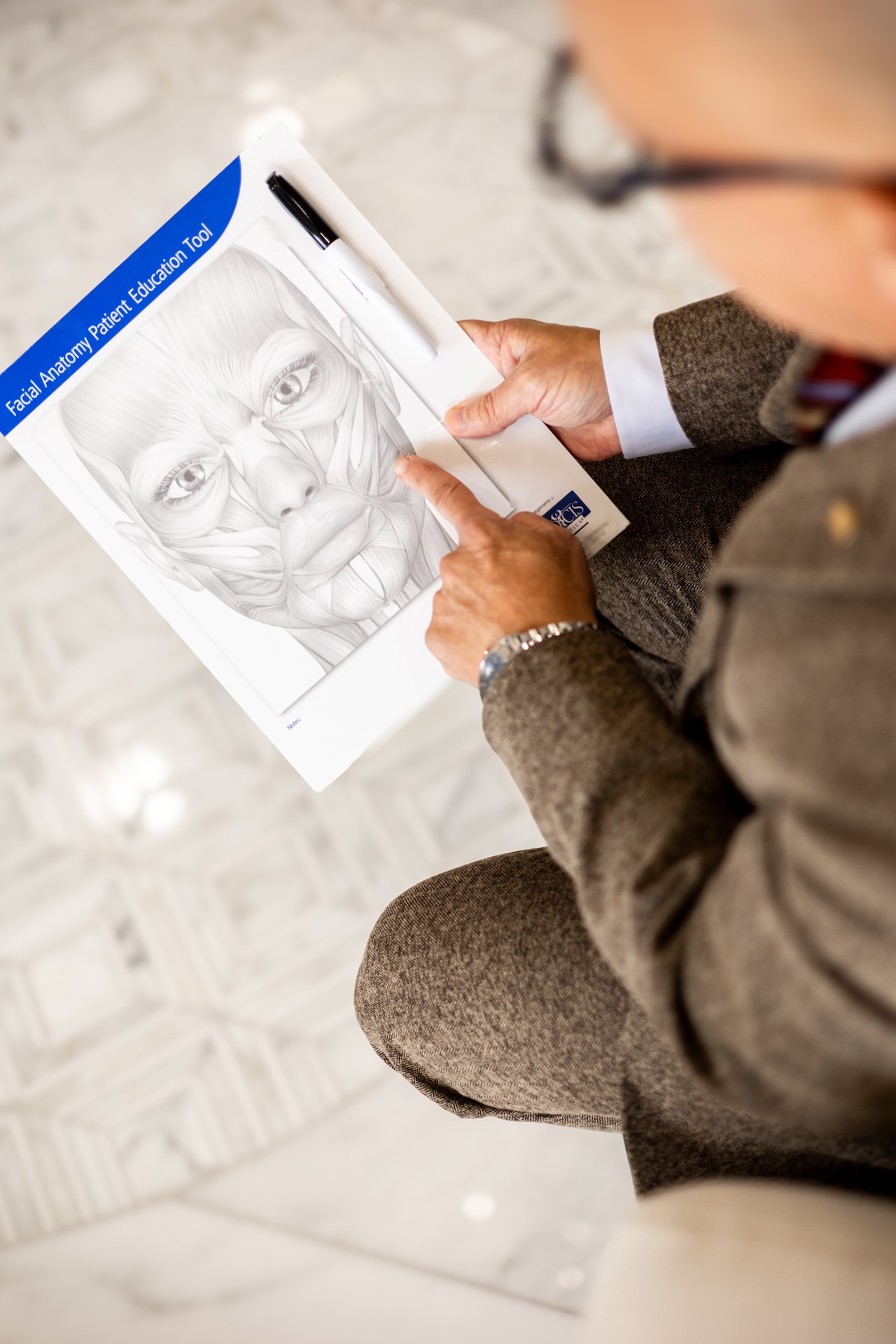
If you’ve been thinking about changing the shape or position of your ears, a consultation with Dr. Carlos Ayala is the right place to start. He’ll review your anatomy, walk you through your options and use 3D imaging to help you visualize your results before making any decisions.

Contact Ayala ENT & Facial Plastic Surgery in McAllen, Texas at 956-631-4515 to schedule your consultation.

PATIENT EAR SURGERY REVIEWS

“I took my 4 yo with ear infection. The doctor saw him, he did an excellent job at explaining the plan of action, and his bedside manners are excellent as well.” – Ae Vee

Frequently Asked Questions

What age is appropriate for otoplasty?

Most surgeons recommend waiting until a child is at least five or six years old, when the ear cartilage has matured enough to hold surgical corrections reliably. At this age, the ears have typically reached about 85 to 90% of their adult size.

Will the results of otoplasty look natural?

In experienced hands, yes. The goal of otoplasty is never to produce ears that look altered but ears that simply look proportional. Dr. Ayala uses a combination of cartilage reshaping and suture techniques selected for each patient’s anatomy, and the incisions are placed behind the ear where they’re essentially invisible.

What are the risks of otoplasty?

Otoplasty carries a favorable safety profile, but as with any surgery, there are potential risks. These may include bruising or swelling, infection, asymmetry, scarring, suture complications or the need for a secondary procedure. Choosing a double board-certified facial plastic surgeon with specific training in ear anatomy, following all pre- and post-operative instructions and avoiding pressure on the ears during recovery all reduce these risks considerably.

How long do otoplasty results last?

Otoplasty results are permanent. Once the cartilage has healed in its new position, it stays there. Natural aging may cause very minor changes to the soft tissue over many years, but the structural corrections made during surgery do not reverse.

Can I finance my otoplasty procedure?

Yes. Ayala ENT & Facial Plastic Surgery offers financing through Prosper® and CareCredit®, as well as an in-office layaway plan. The layaway option requires a minimum $500 deposit to hold your surgery date, with flexible payments made directly to the office leading up to your procedure.

Does Dr. Ayala perform otoplasty on adults as well?

Yes. Dr. Ayala has experience performing otoplasty across a wide range of ages. Technique and anesthesia approach are adjusted based on the patient’s age and anatomy, but the care and precision are consistent regardless of who is on the table.